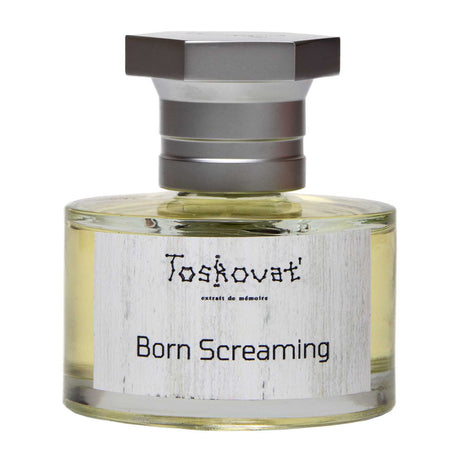
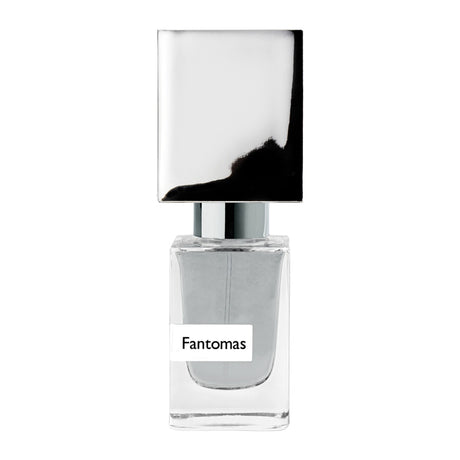
Plastic is fragrance's most deliberately synthetic note — a sharp, cool, slightly rubbery accord that signals modernity and abstraction. It exists not to mimic nature, but to push against it: clean, angular, almost architectural in its presence. Think polished vinyl, new car interiors, or the crisp bite of industrial materials transformed into sensory experience.
In composition, plastic notes often sit alongside aldehydes, metallic accords, and cool musks, creating fragrances that feel forward-thinking and conceptual rather than traditionally beautiful. They challenge the soft, organic warmth we expect from perfume — offering instead a cerebral, almost confrontational elegance that rewards close attention.
These fragrances appeal to those who view scent as art rather than decoration: they're bold, unfamiliar, and deliberately at odds with convention. Plastic perfumes tend to be polarising — but for those they resonate with, nothing else quite captures that intersection of cool precision and avant-garde attitude.