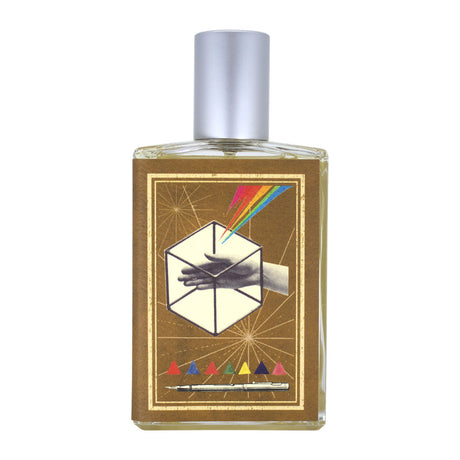
Clay in fragrance is earthy, mineral and grounding — a note that smells like freshly turned soil after rain, or the cool dust of a pottery studio. Unlike florals or woods, clay brings an almost tactile quality: dry, slightly chalky, with a subtle warmth that feels both ancient and contemporary. It anchors a composition with quiet presence.
In perfumery, clay often appears as a supporting player, lending texture and stability to more volatile notes. It softens bright citrus, deepens woody accords, and adds an almost architectural quality to florals. The effect is subtle but unmistakable — a fragrance built on clay feels intentional, structured, and rooted in place.
Clay perfumes tend toward the understated. They are rarely loud or sweet, instead offering a sensory experience that unfolds slowly, becoming more intimate as they settle on skin. They appeal to those who prefer fragrance that whispers rather than announces.